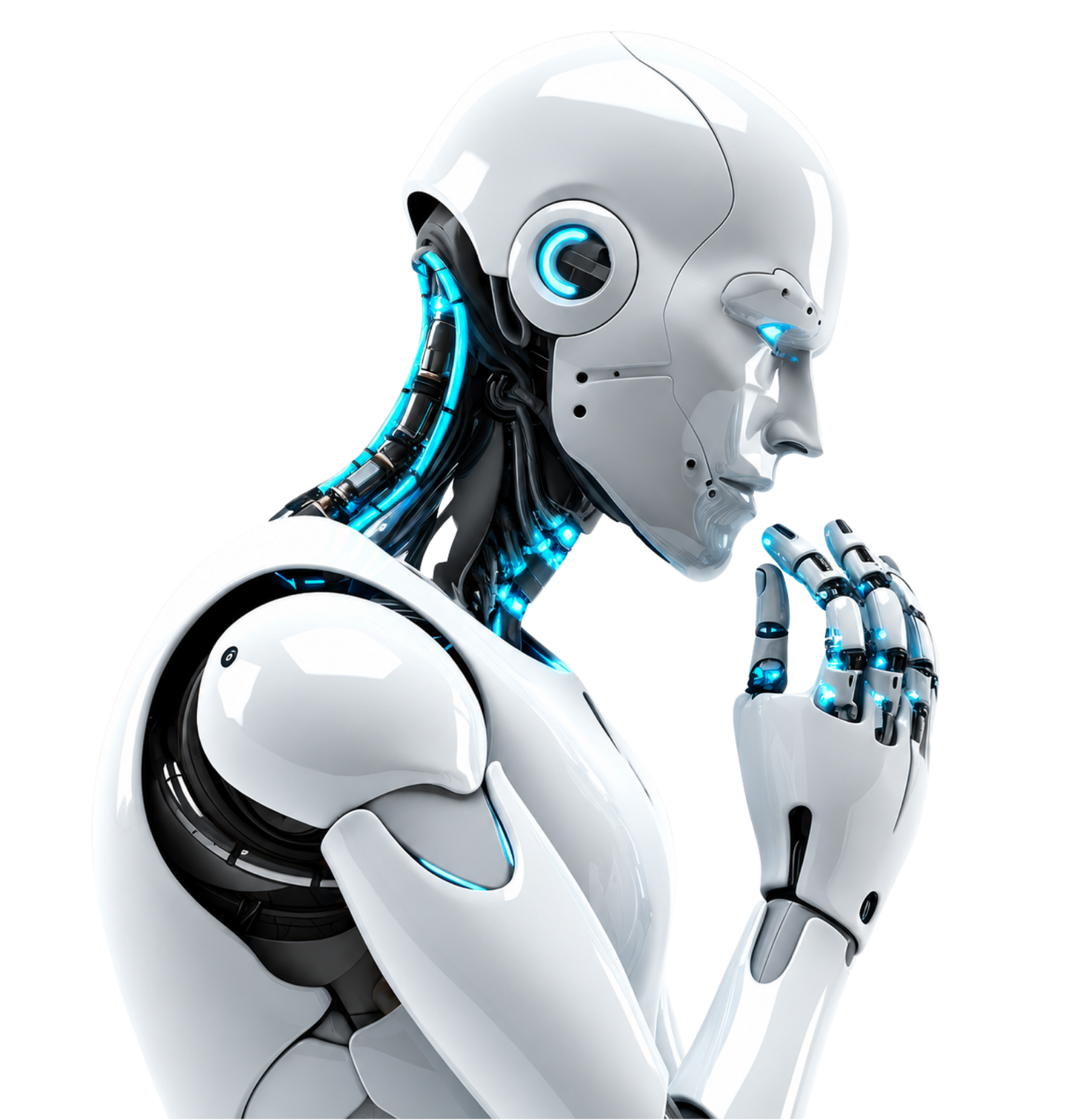
Advanced Healthcare Solutions for Better Patient Outcomes
Artificial Intelligence is reshaping healthcare by enabling faster diagnostics, intelligent data analysis, predictive insights, and streamlined administrative workflows. Healthcare organizations can leverage AI to improve efficiency, reduce operational burdens, and support better decision-making across clinical and non-clinical environments.
From medical imaging analysis and virtual health assistants to patient monitoring and healthcare analytics, AI helps institutions process vast amounts of information with greater accuracy, speed, and scalability.
Explore AI Solutions

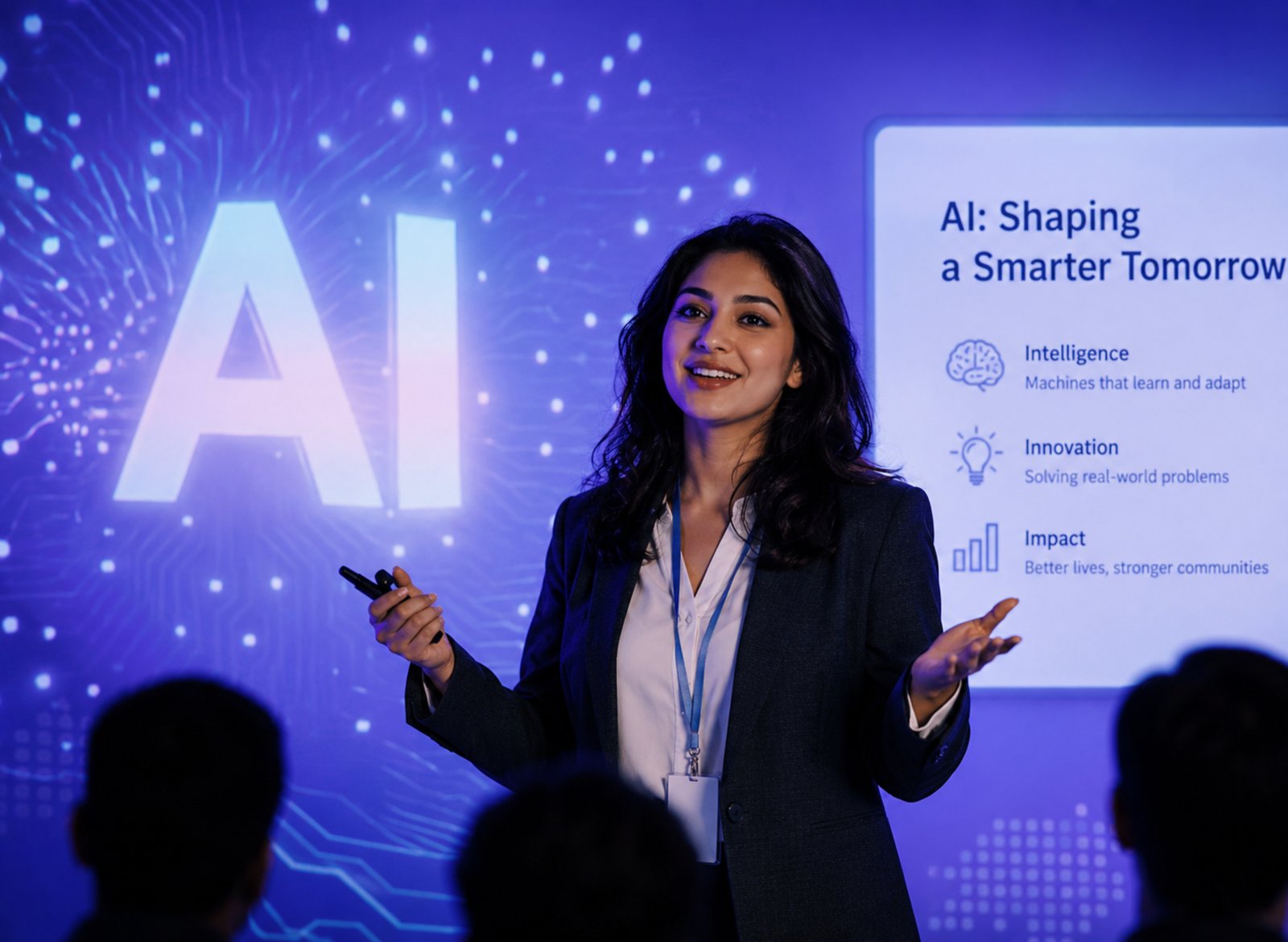

Medical Data Intelligence
Predictive Healthcare Analytics
Workflow Automation & Insights


Innovation Meets Better Outcomes
Artificial Intelligence is revolutionizing healthcare by improving diagnostics, enhancing patient care, optimizing hospital operations, and accelerating medical research. From predictive analytics to intelligent automation, AI is helping healthcare organizations deliver smarter, faster, and more efficient services.
Faster & More Accurate Diagnostics: AI systems can analyze medical images, reports, and patient data to support quicker and more precise diagnosis of diseases and health conditions.
Predictive Healthcare Analytics: Machine learning models help identify trends, forecast risks, and enable proactive healthcare planning through data-driven insights.
Improved Patient Monitoring: AI-powered monitoring solutions provide real-time tracking of patient health, enabling early intervention and better care management.
Operational Efficiency: Automation reduces administrative workload, streamlines scheduling, documentation, and resource allocation across healthcare systems.
Enhanced Medical Imaging: AI assists in interpreting X-rays, CT scans, MRIs, and other imaging data, helping healthcare professionals make informed decisions more efficiently.

Accelerated Medical Research: AI can process vast amounts of clinical and scientific data, supporting faster discoveries, drug development, and healthcare innovation.
Personalized Healthcare: AI enables customized treatment recommendations by analyzing individual patient profiles, medical histories, and response patterns.
The Future of Healthcare: As AI technologies continue to evolve, they will play a critical role in improving accessibility, efficiency, and decision-making across the entire healthcare ecosystem.
Artificial Intelligence is helping healthcare organizations improve diagnostic accuracy, streamline administrative processes, enhance patient monitoring, and accelerate medical research. As AI adoption grows, healthcare systems are becoming more efficient, data-driven, and accessible.
Discover Healthcare AILearn how Artificial Intelligence is transforming healthcare through smarter diagnostics, predictive analytics, operational efficiency, and advanced medical research.
AI is helping healthcare organizations process information faster, improve decision-making, enhance patient experiences, and unlock new possibilities for medical innovation. From diagnostics to administration, AI is becoming a key driver of healthcare transformation.
AI in healthcare refers to the use of artificial intelligence technologies to analyze medical data, support clinical decisions, automate processes, and improve healthcare outcomes through intelligent systems.
AI helps healthcare organizations improve efficiency by analyzing large amounts of data, supporting diagnostics, automating administrative tasks, and providing insights that assist healthcare professionals.
Yes. AI-powered systems can analyze medical images, laboratory results, and patient records to identify patterns that may help support earlier and more accurate detection of diseases.
No. AI is designed to support healthcare professionals, not replace them. It provides data-driven insights and automation tools while human expertise remains essential for patient care and clinical decision-making.
The future of AI in healthcare includes personalized treatment plans, predictive analytics, intelligent diagnostics, remote monitoring, faster medical research, and improved access to healthcare services.